

Mid Ulster homecare crisis sees rural patients face lengthy waits

More than 70% of Mid Ulster residents waiting over 12 weeks for homecare live in rural areas, prompting calls for funding reform to address staffing shortages and travel costs.
The majority of vulnerable people waiting over 12 weeks for care packages to help them with everyday needs like getting washed or eating in Mid Ulster, live in open countryside.
That’s according to new data provided to DUP MLA Keith Buchanan about homecare "blackspots" where people can access care packages because of their address.
Health Minister Robbie Butler has since revealed that 39 people in Mid Ulster have been waiting for a full or partial package for more than 12 weeks - of which 72% (28) live rurally.
He said the Northern Trust “acknowledges that an unmet need exists in the rural areas of Draperstown, Stewartstown and Desertmartin” and that the wait is largely down to a lack of capacity and the need to set up an additional rota.
Minister Butler said a blackspot in Pomeroy has been tackled and that homecare reform includes ‘levelling up’ so those in rural areas wait no longer than their urban counterparts.
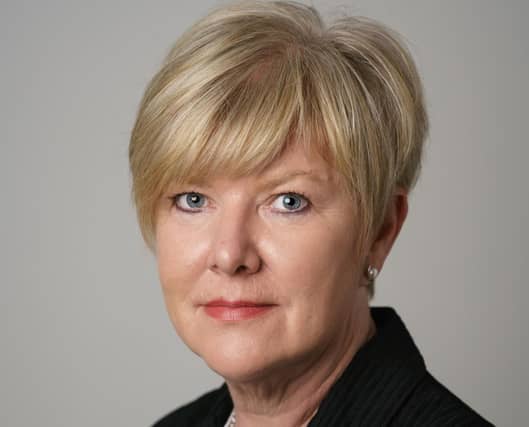
But Pauline Shepherd, chief executive of The Independent Health and Care Providers, which represents adult health and social care providers said: “Nobody should face a longer wait for care simply because they live in a rural area.”
While she welcomed the Northern Trust’s acknowledgement that there is unmet need in rural communities, the IHCP chief says the current funding model “does not properly reflect the additional costs involved in delivering care over distance”.
If the needs of rural people are to be met, Ms Shepherd says this has to change.
“Staff can spend significant time travelling between clients, and those journeys cost more as fuel prices rise,” she explained.
“We need a homecare funding system that recognises travel time, mileage and the real cost of delivering care in rural communities.
“Without that, the same problems will continue to appear in different parts of Northern Ireland.”
The Department for Health has been contacted for comment.